













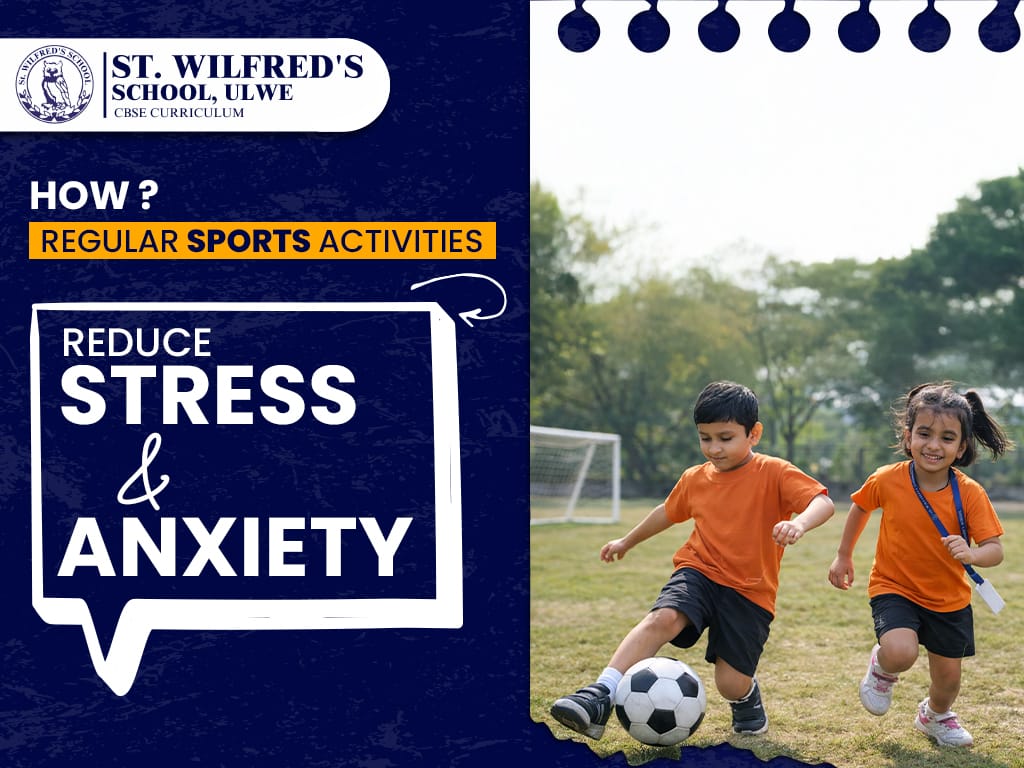
Traditionally, Indian parents consider academics as the only concern for their child and hence think of it as the sole or prioritizable point of focus. However, according to research conducted by reputed bodies like the World Health Organization (WHO), studies should be supported by regular sports activities in a student’s daily schedule to reduce their stress and anxiety. These activities not only make them physically more active but also help improve brain chemistry, sleep quality, emotional regulation, and social connection. In today’s time, where students face pressure in the form of exams and competition, these stress-relieving activities are important.
What Are the Benefits of Sports for Students?
Among children of all ages, regular physical activity supports their emotional balance, cognitive functioning, and stress resilience. In their school years, the brain and coping mechanisms of children are under development, and hence, physical activities like sports are considered important during these ages. The following are some of the major mental and emotional benefits of sports for students:
1. Lowered Anxiety and Depression
As you may know, children clearly enjoy sports like cricket, football, volleyball, etc. This enjoyment results in the regulation of stress hormones and improvement of mood-related neurotransmitters, which reduce the symptoms of anxiety and depression. Minimal anxiety and depression result in:
- Production of endorphins, also called feel-good hormones
- Improved emotional regulation
- Distraction from academic pressure
2. Better Sleep Quality
A good sleep is associated with good functioning of the body and mind when awake. This is a major role of sports in student life, as physical activity helps regulate the body’s circadian rhythm and promotes deeper and more restorative sleep. The major benefits of physical activity on sleep quality include:
- Faster sleep onset
- Improved sleep duration and quality
- Reduced screen dependency before bedtime
- Better recovery from mental fatigue
3. Improved Mood and Self-Esteem
As for the importance of sports in school, excelling in any of its activities provides a child with measurable achievements, social recognition, and a sense of progress, all of which contribute to higher self-esteem and a more encouraging mood. Such psychological benefits commonly include:
- Better self-confidence
- Improved self-acceptance
- Emotional satisfaction
4. Enhanced Focus and Attention
When students indulge in regular physical activity at CBSE schools in Navi Mumbai, it results in the brain of a child getting better blood flow, playing a direct role in better attention, memory, and decision-making, all of which further improve the academics of a student. This factor makes indulging in sports important for those students, too, who experience academic burnout. The key cognitive improvements include:
- Better classroom attention span
- Improved memory retention
- Reduced mental fatigue
- Enhanced problem-solving ability
5. Better Energy Level
Regular participation in all types of sports improves cardiovascular efficiency and oxygen delivery, leading to higher overall energy levels. Lack of physical activity is what makes students feel mental lethargy and low motivation. The helpful outcomes of better energy levels include:
- Low daytime fatigue
- Higher motivation to focus on academics
- Improved stamina during long study hours
What Is the Relation Between Sports and Mental Health of Students?
The relationship between sports and mental health of students is a symbiotic one. To simply explain, regular sports participation at a private school in Ulwe strengthens the psychological resilience of a child, while improved mental health encourages better participation in sports. Additionally, indulging in these activities creates fixed routines, social bonding, and a sense of control among school children of all ages, which is why they are given importance by CBSE and NEP 2020 in schools across India. The key relational aspects include:
- Sports as a protective factor against chronic stress
- Reduced risk of stress-related disorders
- Improved emotional coping during academic transitions
- Early development of lifelong mental health habits
What Is the Role of Sports in Student Life?
Sports bring a lot of physical activity benefits for students as they play a major role in developing and honing their emotional intelligence, discipline, and stress-handling capacity. Besides improvements to their mental health, sports teach life skills that influence the long-term well-being of students, especially in learning environments like schools. Their role includes:
- Supporting emotional and social development
- Teaching time management and goal setting
- Building teamwork, leadership, and resilience
- Creating healthy routines alongside academics
What Are the Useful Sports Activities for Students?
Now that you know the countless benefits of sports, you should also know about the common activities that attract the attention of children. The commonly followed options include:
- Team sports – Football, cricket, kabaddi, basketball, volleyball, badminton, tennis, etc.
- Individual sports – Athletics and swimming
- Mind-body activities – Martial arts
- Recreational sports – Cycling and skating
Conclusion
Parents across Ulwe looking for CBSE school admission in Ulwe for their child must know about the facilities that a CBSE school offers, which include making children participate in regular sports activities. These regular sports activities reduce stress and anxiety in students by improving their brain activity, sleep quality, emotional resilience, focus, and self-esteem while relieving them from excessive academic pressure.
If you are a parent looking for a school that prepares your child for excellent results in academics as well as physical activities, then a private school like St. Wilfred’s School, is the best for you. As we hold your trust as well as our experience of teaching over 20,000 students, enroll your child and see them become the next example of success at our prestigious school.
FAQs
Q. How do sports help with stress and anxiety?
Engaging in any physical activity in the form of sports results in the production of endomorphins or feel-good hormones, which, as their name suggests, increase happiness and lift the mood of a school, along with lowering stress and anxiety.
Q. How often do you need to participate in physical activity to see mental health benefits?
To see benefits in your mental health, engaging in any kind of physical activity and dedicating around 30 minutes of your time to it is appropriate.
Q. Does playing sports improve sleep?
According to studies by experts, playing sports does improve your sleep and that too on a daily basis, as they help regulate the circadian rhythm of the human body.